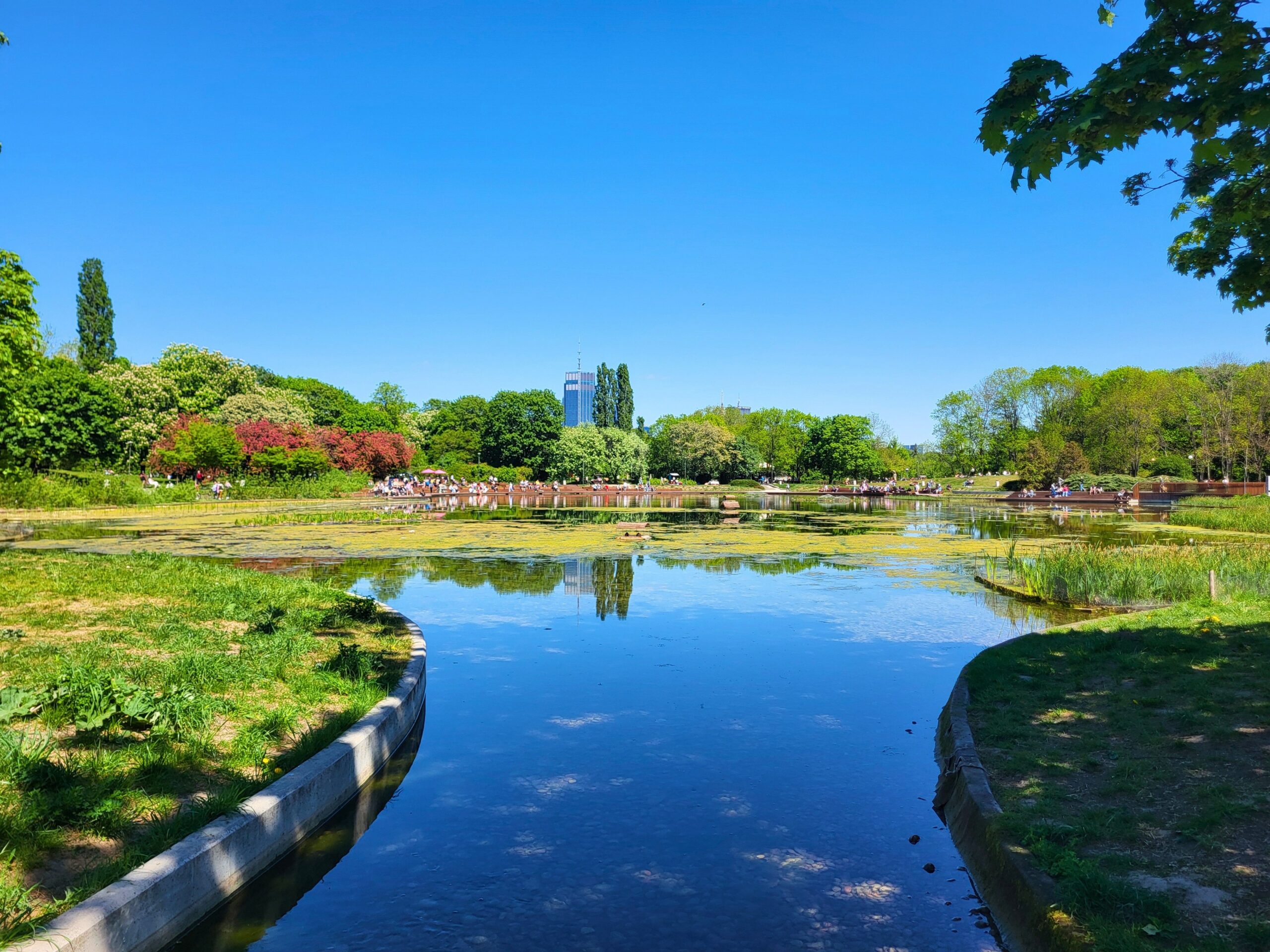
Mokotów
One of the largest and most diverse districts of Warsaw – it combines a modern business centre, quiet residential neighbourhoods and plenty of green spaces, as well as trendy cafés and restaurants. Upper Mokotów – older, more prestigious, with pre-war architecture, villas and tenement houses. Here you will find quieter streets and lots of atmosphere. Lower Mokotów (Służewiec / "Mordor") – more modern, known as a business hub where many corporations have their headquarters. You will find Pole Mokotowskie – a huge park perfect for walks, cycling or picnics – as well as Królikarnia, a sculpture museum in beautiful surroundings.
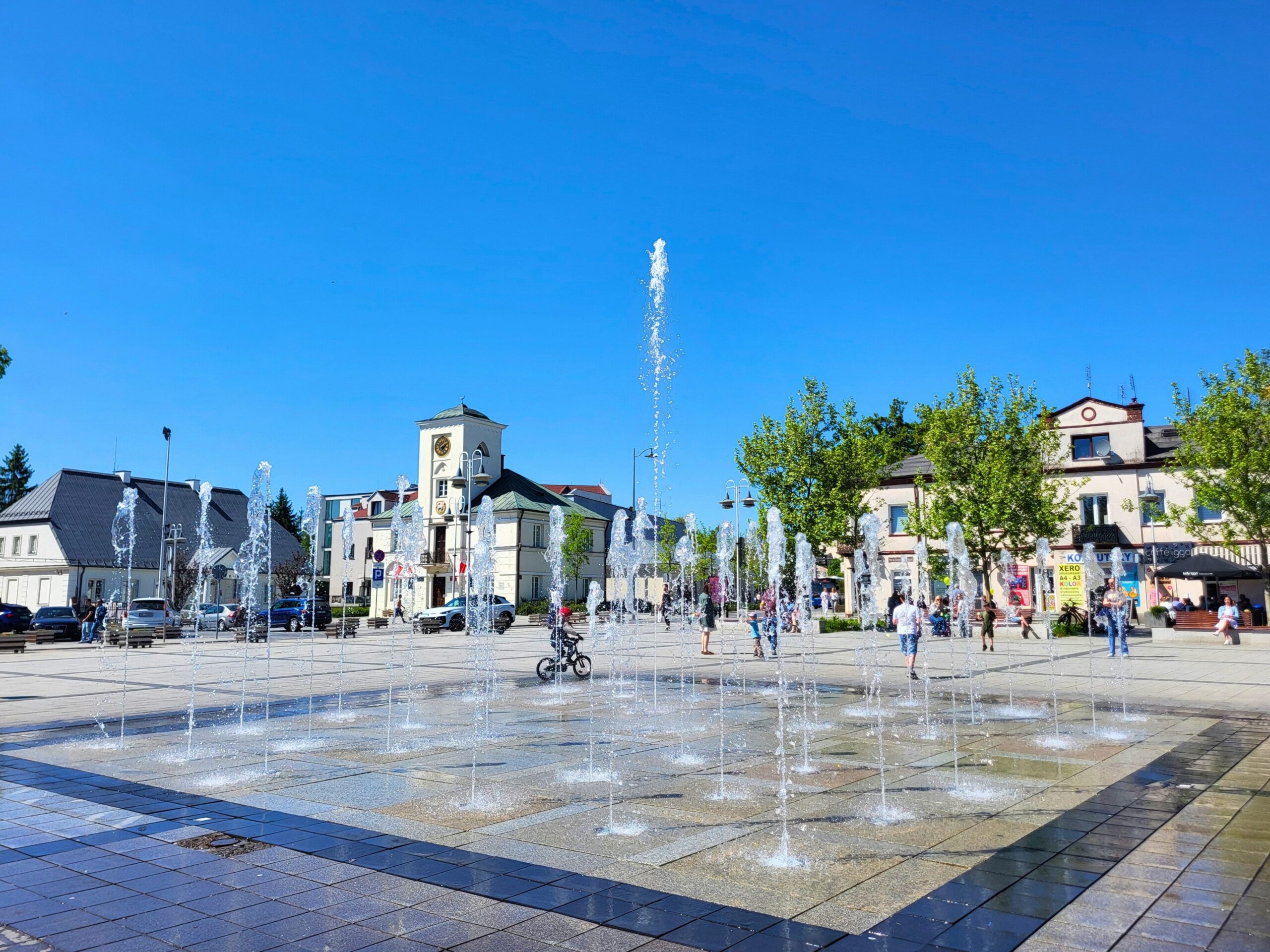
Piaseczno
A town located just south of Warsaw. Piaseczno has a typically suburban character – it combines quiet life with quick access to the big city. Thanks to good transport links (rail, buses, proximity to major roads) you can reach the capital quickly. What to see: the Market Square in Piaseczno – small but renovated, with charming architecture; St Anne's Church in Piaseczno – the oldest monument in the town; the Piaseczno Narrow-Gauge Railway – a tourist attraction especially popular with families; Chojnowski Landscape Park – an ideal place for walks, cycling and relaxing in nature.
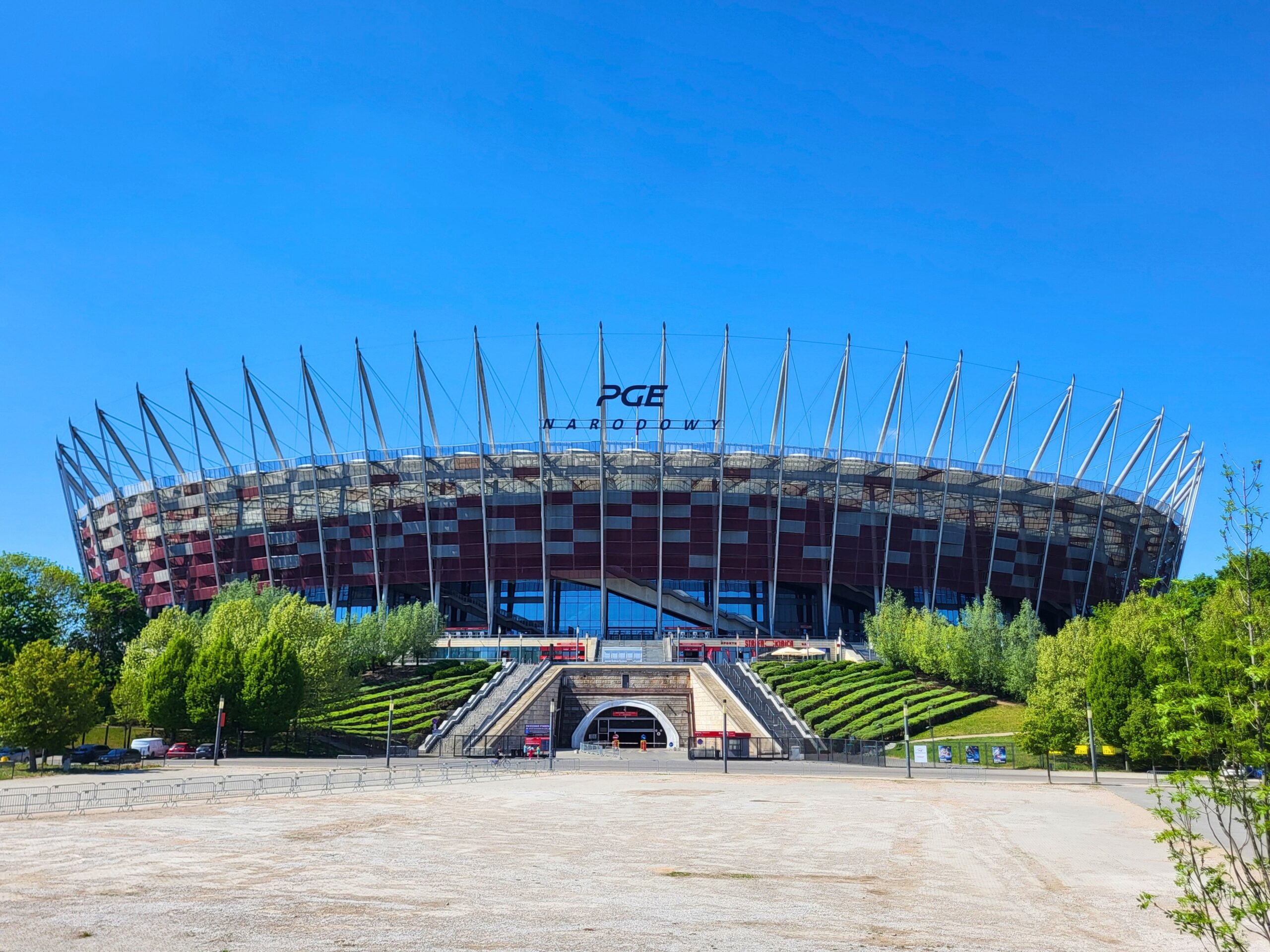
Praga
One of the most distinctive and historic parts of Warsaw, located on the right bank of the Vistula. You will find old tenement houses, courtyards with shrines and street art. In recent years it has undergone significant revitalisation and attracts artists, hipsters and tourists. Praga-Północ – more 'atmospheric', with historic tenements and an artistic vibe. Praga-Południe – quieter with modern development. Key highlights: Centrum Praskie Koneser – a restored former vodka factory complex, now full of restaurants, museums and galleries; Bazar Różyckiego – a legendary market with over 100 years of history; Warsaw Zoo – one of the oldest zoos in Poland; Ząbkowska Street – the heart of Praga's nightlife and cultural scene.
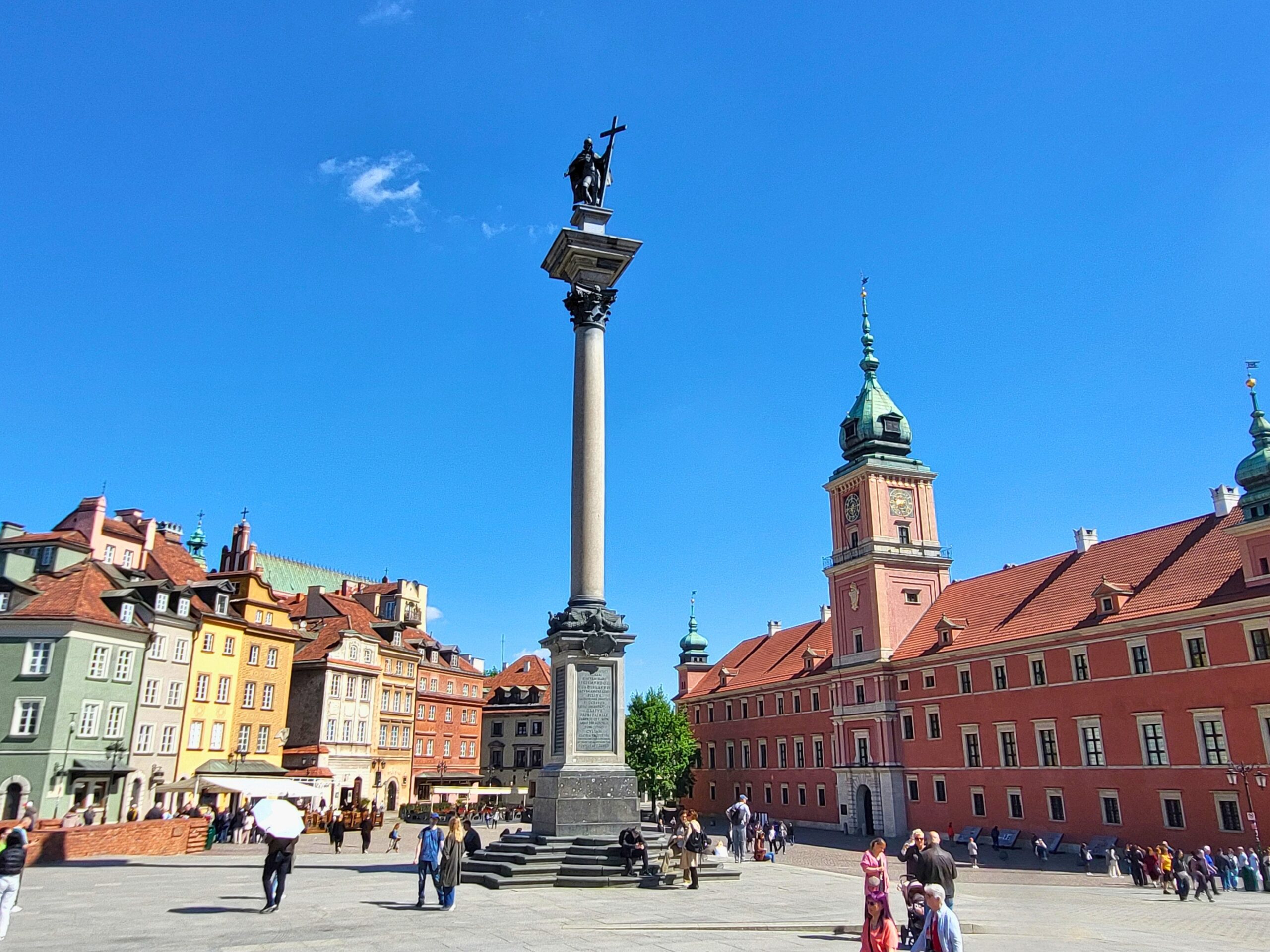
Old Town
One of the most recognisable and symbolic places in Warsaw. Full of charming streets, monuments, museums, churches and restaurants. Key highlights: the Old Town Market Square, colourful tenements, restaurants and street artists – the heart of the district; the Royal Castle in Warsaw; the Barbican – a remnant of the old city walls, today a popular promenade. The Old Town buzzes with life all year round. In summer it is full of tourists, musicians and outdoor cafés, while in winter a festive atmosphere settles in, especially around Christmas.
Ursus
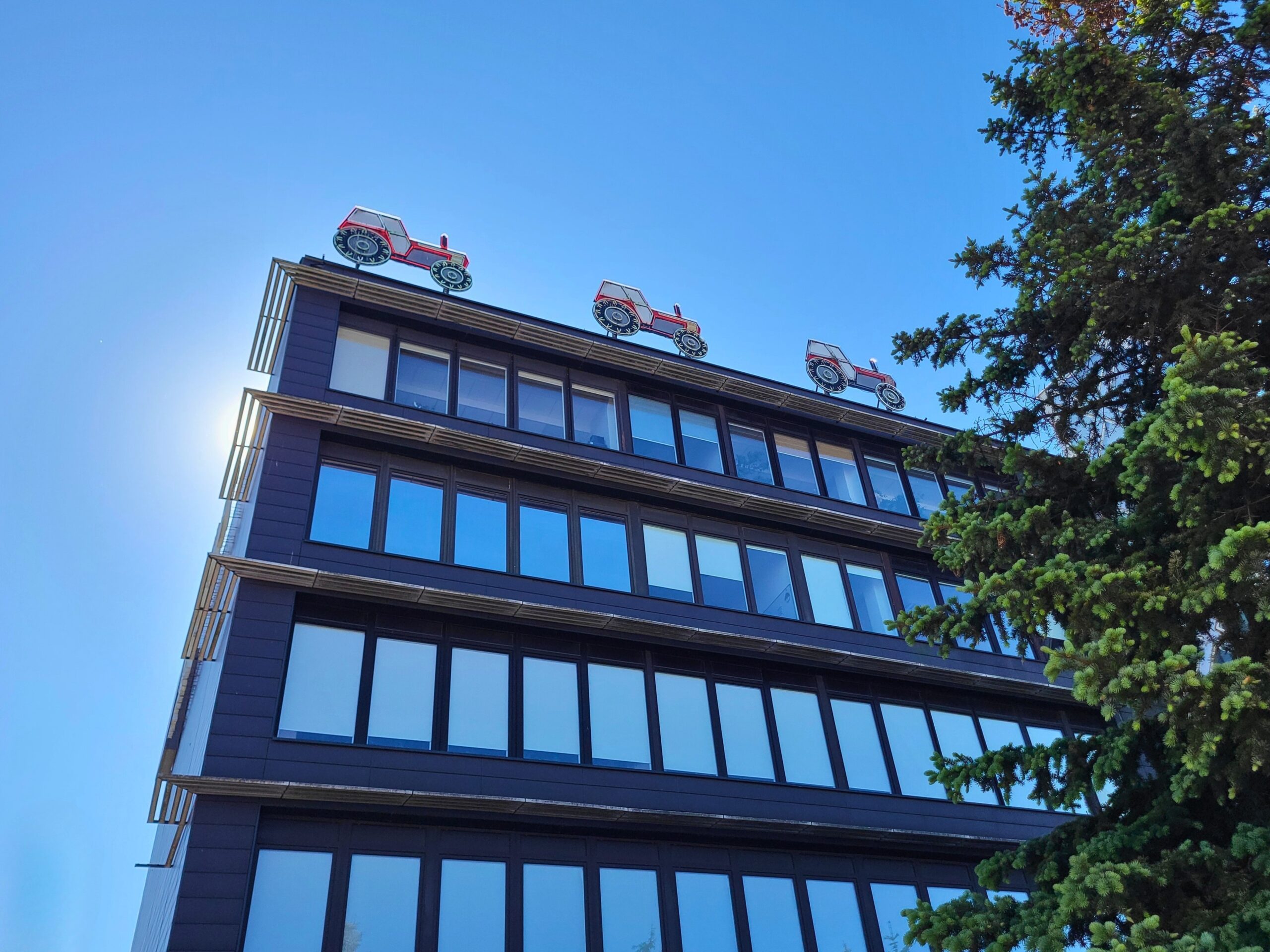
One of the less touristy but interesting districts of Warsaw, located on its western outskirts. It is primarily associated with its industrial history, but today it is undergoing a major transformation and its character is gradually changing. For decades Ursus was strongly tied to industry – above all to the legendary Ursus Mechanical Works, which produced tractors among other things. Industrial atmosphere – remains of former factories and post-industrial spaces. Green areas and parks – perfect for a peaceful walk away from the crowds. Local murals and street art – referencing the district's history.
Ursynów
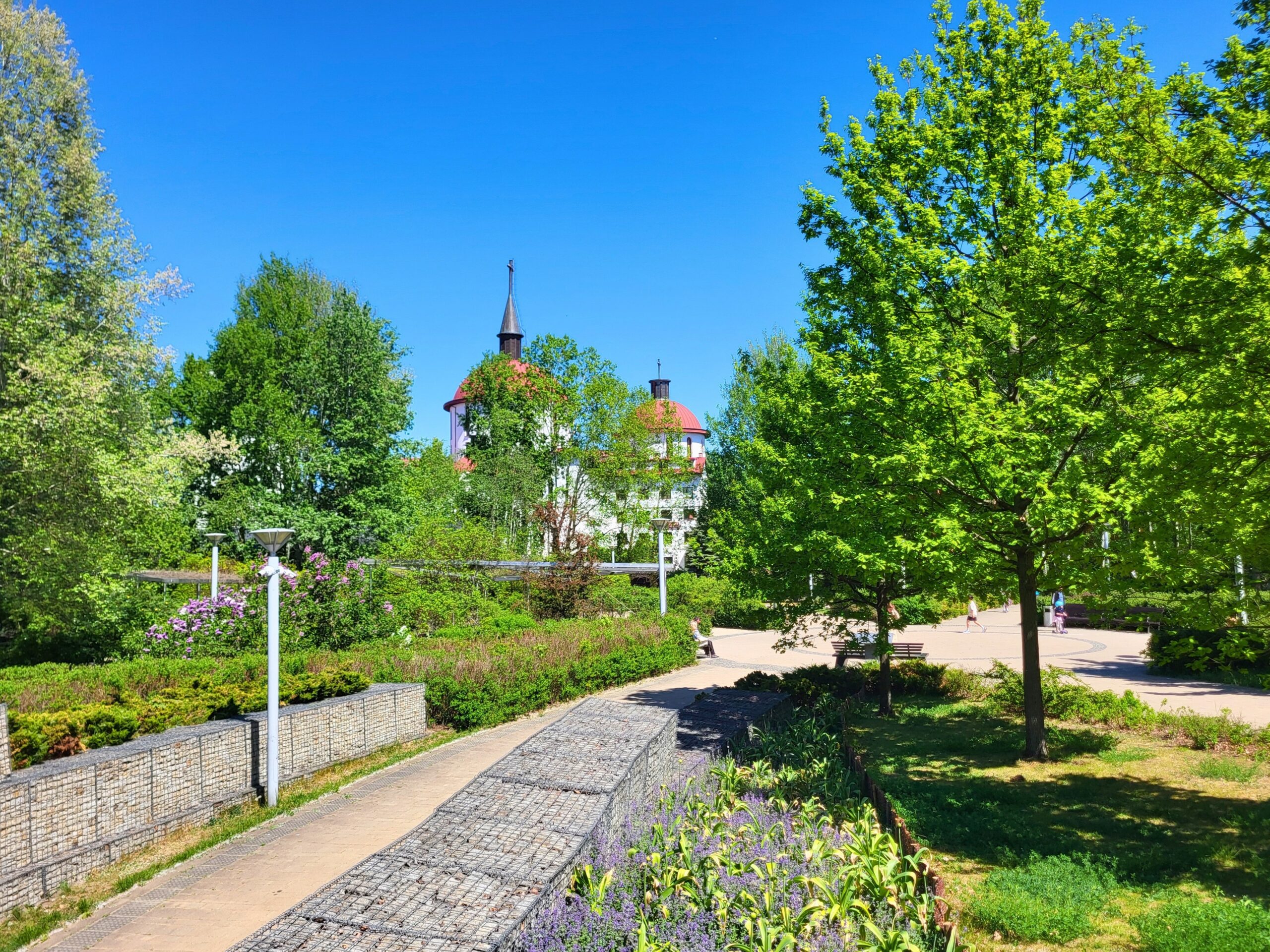
One of the largest and most 'residential' districts of Warsaw, located in the south of the city. It has a lot to offer – especially for those who enjoy greenery, space and a quieter atmosphere. It is one of the best-connected parts of Warsaw – the metro line allows you to reach the city centre quickly. Chopin Airport is just nearby. Key highlights: Kabacki Forest, the Botanical Garden in Powsin, Natolin – a historic park and palace.
Wola
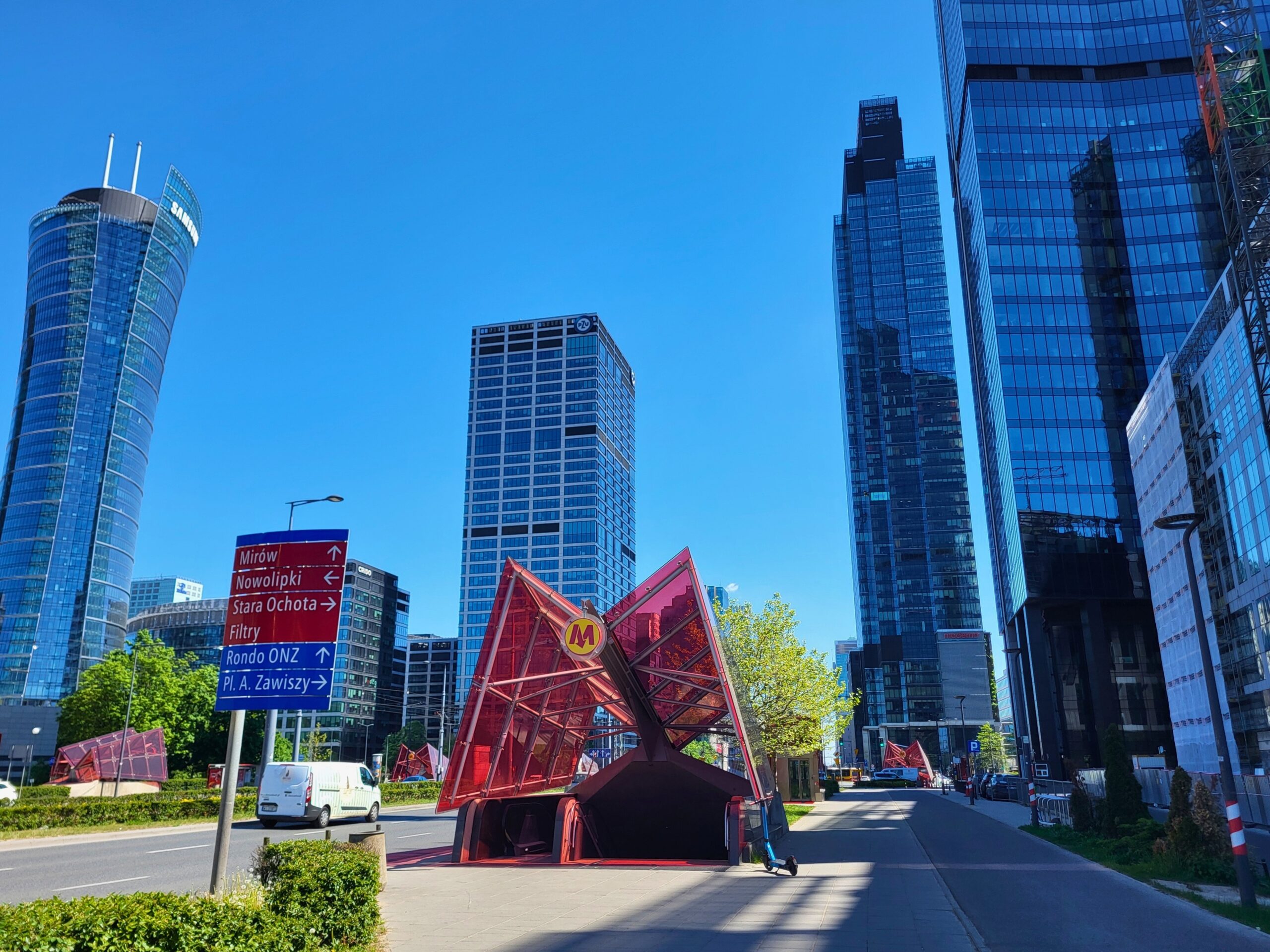
One of the most dynamically changing districts of Warsaw. Just a few decades ago it was associated mainly with industry and a working-class character; today it is a modern business centre full of office buildings, restaurants and new developments. Wola is a study in contrasts: on one hand modern skyscrapers and offices (often called 'Warsaw's Manhattan'), on the other – older buildings, tenements and traces of its industrial past. It is one of the districts closest to the city centre, excellently connected and very 'urban'. Key highlights: the Warsaw Uprising Museum – very modern and moving; Powązki Cemetery – a historic cemetery; the area around Daszyński Roundabout – a business centre with skyscrapers; Browary Warszawskie – a fashionable spot with restaurants and a promenade; Fabryka Norblina – a renovated industrial space with a food hall, museums and events; Sowiński Park; Moczydło Park.
Włochy
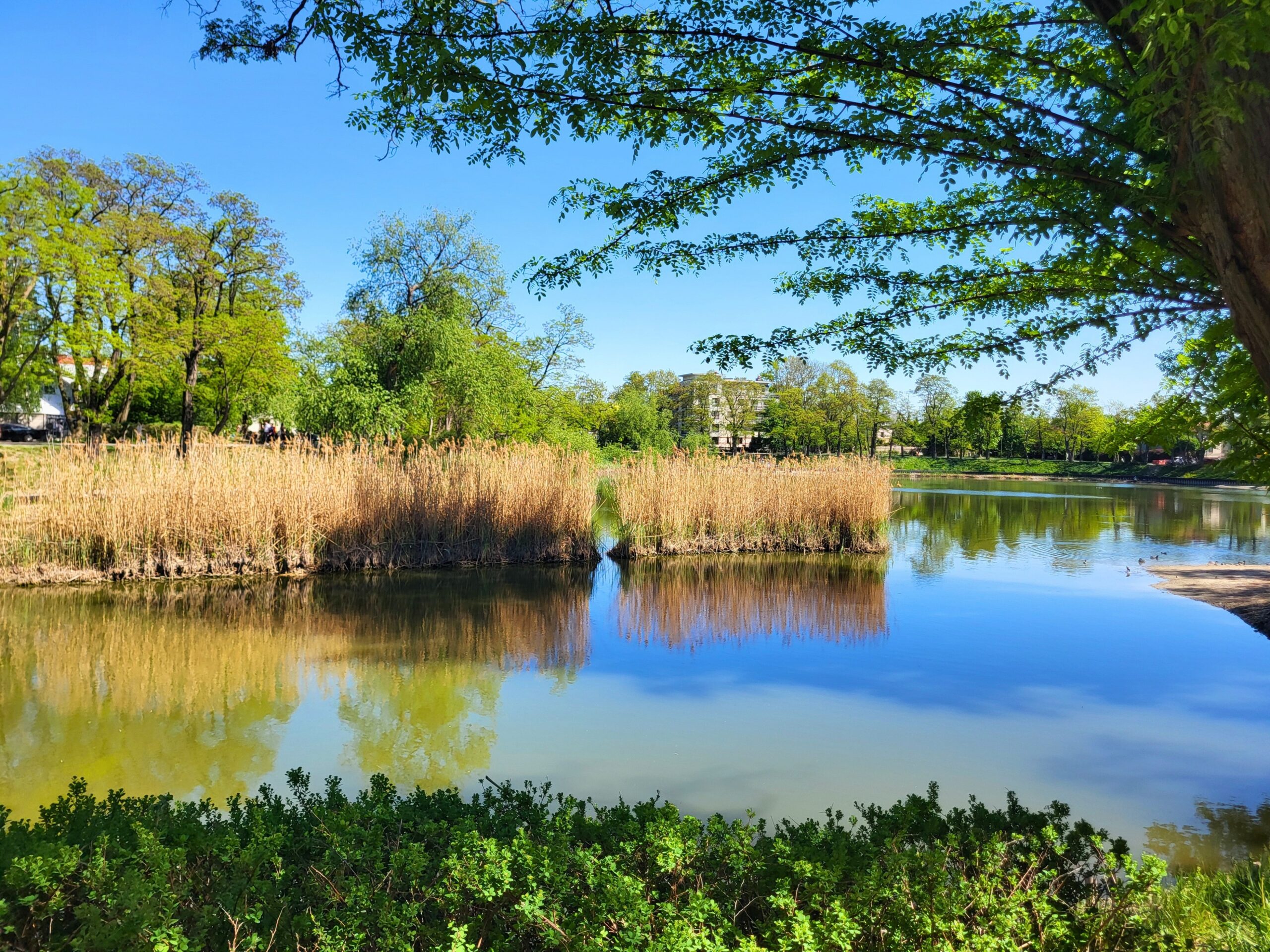
One of the quieter districts of Warsaw, located in its western part. It has a unique character – more suburban than metropolitan. Well connected to the city centre. Włochy stands out in Warsaw: lots of low-rise buildings (detached houses, small tenements), plenty of greenery and open space, a calm and local atmosphere. The Park with Cietrzew Ponds – the district's biggest attraction, a great place for relaxing, running and photography; old villas and houses with gardens; quiet streets perfect for a stroll. Chopin Airport in Warsaw is right next door.
City Centre
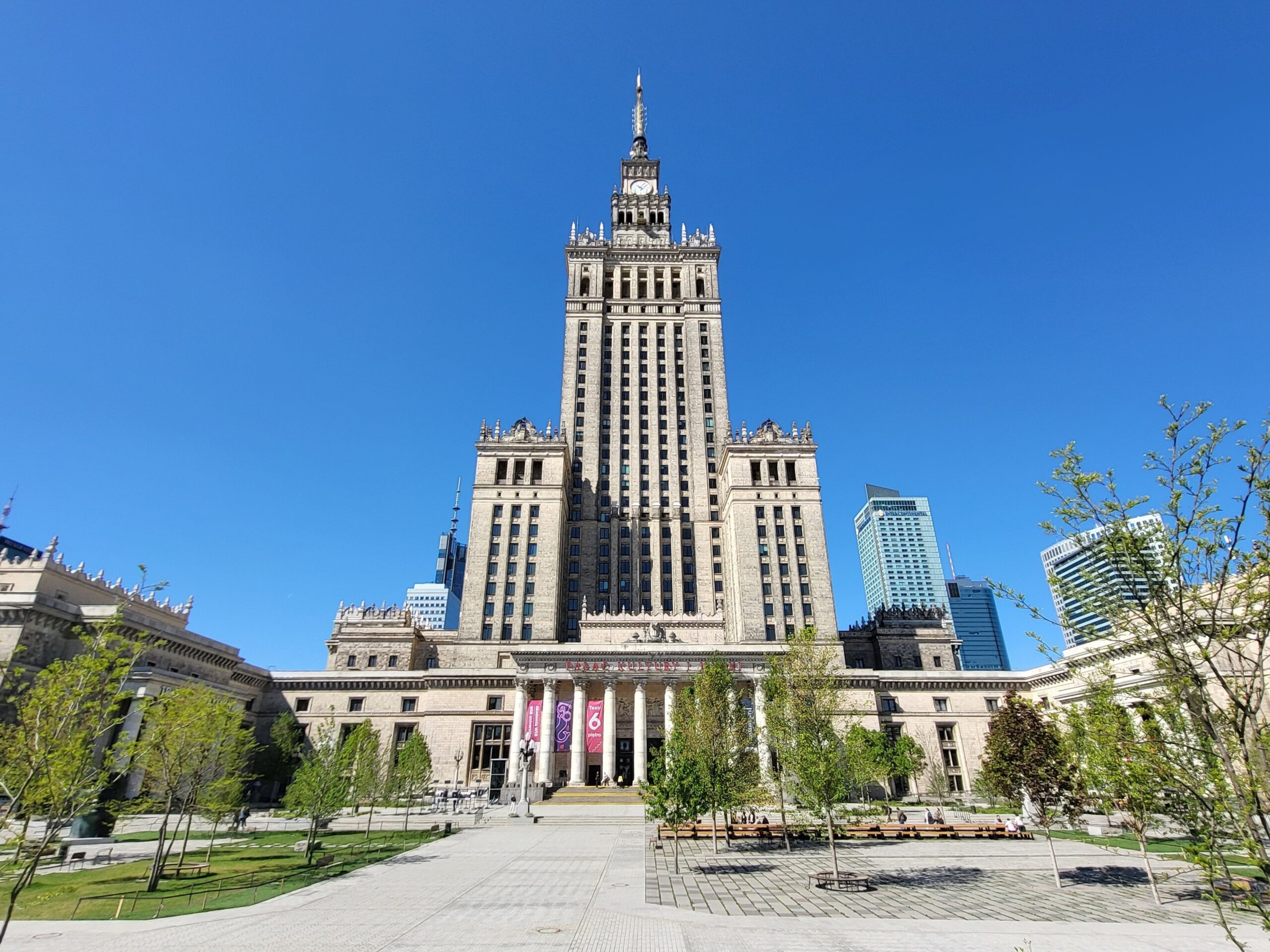
The heart of Warsaw – both geographically and in terms of tourism. This is where you will find the biggest attractions, the best transport links and the most 'metropolitan' atmosphere of the capital. Śródmieście is a mix of history and modernity, monuments and skyscrapers, tourists and everyday life. Northern Śródmieście – historic (around the Old Town). Southern Śródmieście – business-oriented and modern. This is where most of Warsaw's iconic landmarks are located: the Old Town, the Royal Castle, the Palace of Culture and Science – the most recognisable building in the capital; Łazienki Królewskie – a beautiful park with palaces and pavilions; Nowy Świat and Krakowskie Przedmieście – prestigious pedestrian promenades.